HD · HDR
A Double Life
Overlook Pick

A Double Life

64
User Score83 ratings
TMDB 6.416+19471h 44mEnglish
DramaThriller

Synopsis

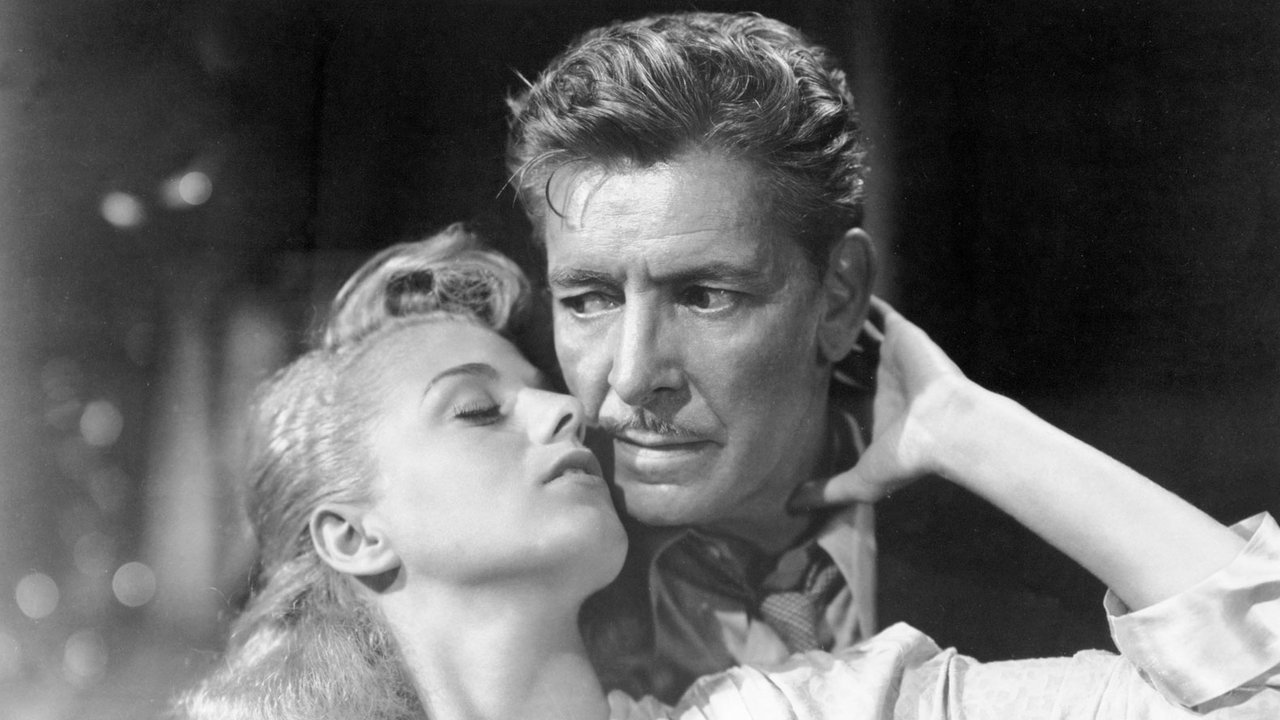
A Shakespearian actor starring as Othello opposite his wife finds the character's jealous rage taking over his mind off-stage.

Director
George CukorFrom TMDB credits
Studio
Kanin Productions3 production companies
Release
December 25, 1947Released
Box Office

Top Cast

8 of 101
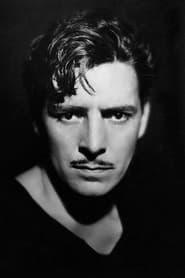
Ronald Colman
Ronald Colman
Anthony John
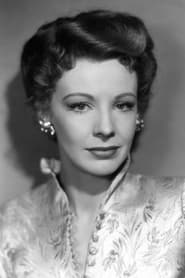
Signe Hasso
Signe Hasso
Brita
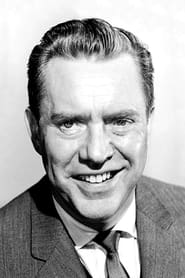
Edmond O'Brien
Edmond O'Brien
Bill Friend
Shelley Winters
Shelley Winters
Pat Kroll
Ray Collins
Ray Collins
Victor Donlan
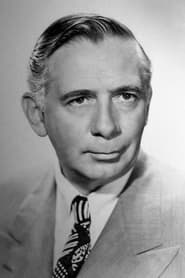
Philip Loeb
Philip Loeb
Max Lasker
Millard Mitchell
Millard Mitchell
Al Cooley
Joe Sawyer
Joe Sawyer
Pete Bonner

Trailers & Photos

Reviews

From TMDB users
CinemaSerf
Jul 7, 2022

Ronald Coleman always did like playing either two parts, or one with a dual-personality - and he does the latter very well indeed here. If you've a basic knowledge of Shakespeare's "Othello" the that helps a bit as he portrays an actor "Tony" who, after many year playing the title role with ex-wife "Brita" (Signe Hasso) - who is also his wife "Desdemona" in the play - is really beginning to become delusional about which existence is real... His distress isn't helped by meeting Shelley Winters "Pat" in a bar, they hook up but it isn't what he really wants. That is happiness with "Trina". When he asks her to re-marry him, she declines sending him into spiral of depression that has tragic consequences as he again descends in to his character - only it is "Pat" who suffers. There is an intensity about Colman here - his eyes, menacing; his almost schizophrenic character genuinely quite scary at times, and his Shakespearian on-stage effort decent - if not exactly Olivier - when required. All of this, coupled with strong contributions from Hasso and his friend "Bill" (Edmond O'Brien), who ends up perilously close to getting of the blame for the worst of his Colman's excesses, make for a compelling, expertly shot, story of split-personality gone, quite literally, mad! George Cukor keeps this tense and focussed, and Miklós Ròsza again provides a score that aides wonderfully with the atmosphere of the piece.

More Like This

Browse all