
HD · HDR
The Promised Land
Overlook Pick

The Promised Land

73
User Score86 ratings
TMDB 7.316+19752h 59mPL
DramaHistory

Synopsis

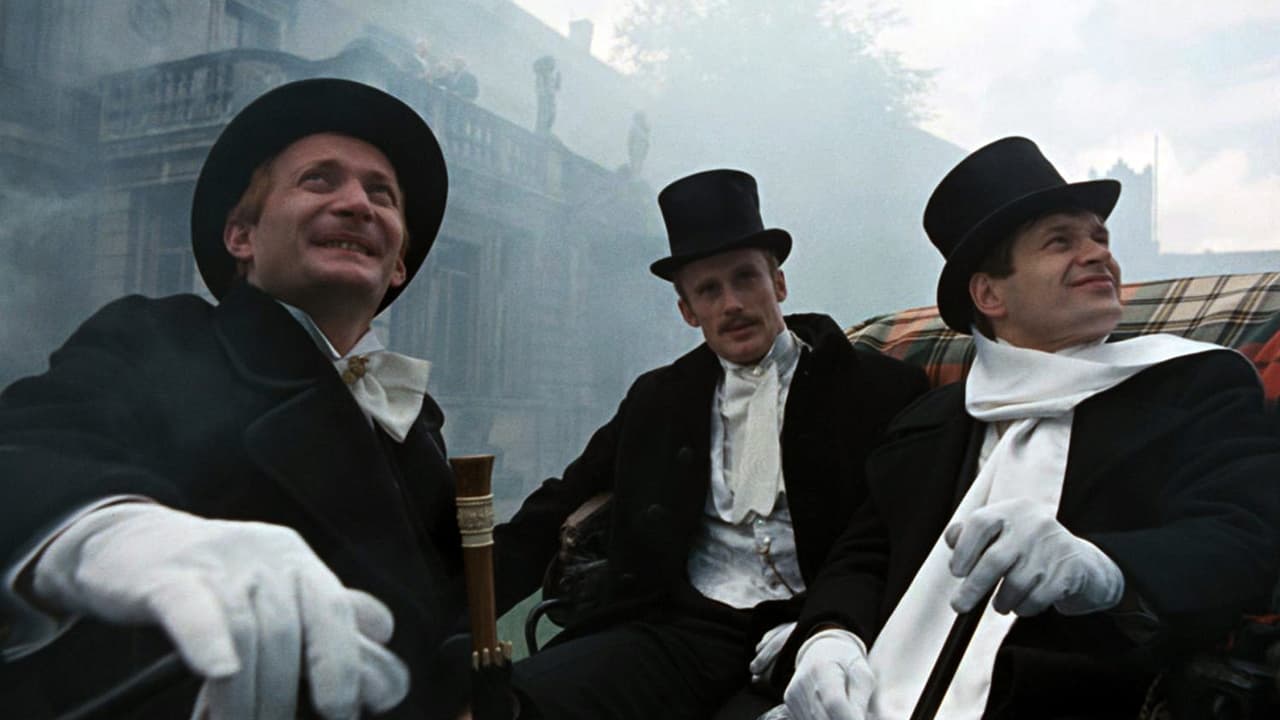
In nineteenth-century Łódź, Poland, three friends want to make a lot of money by building and investing in a textile factory. An exceptional portrait of rapid industrial expansion is shown through the eyes of one Polish town.

Director
Andrzej WajdaFrom TMDB credits
Studio
Zespół Filmowy "X"1 production companies
Release
February 21, 1975Released
Box Office

Top Cast

8 of 54
Daniel Olbrychski
Daniel Olbrychski
Karol Borowiecki
Wojciech Pszoniak
Wojciech Pszoniak
Moryc Welt
Andrzej Seweryn
Andrzej Seweryn
Maks Baum
Kalina Jędrusik
Kalina Jędrusik
Lucy Zuckerowa
Anna Nehrebecka
Anna Nehrebecka
Anka
Bożena Dykiel
Bożena Dykiel
Mada Müller
Andrzej Szalawski
Andrzej Szalawski
Herman Bucholz
Stanisław Igar
Stanisław Igar
Grünspan

Trailers & Photos

Reviews

From TMDB users
badelf
Nov 30, 2025

Andrzej Wajda's "The Promised Land" is quite fascinating and eminently watchable. The period imagery is superb, capturing late 19th century industrial Łódź with visceral authenticity. From the opening shots of choking black smoke enveloping the city, Wajda establishes the visual language of a world consumed by industrial greed. The narrative grows progressively darker and more cutthroat, following the moral degradation of three ambitious men chasing wealth in Poland's textile boom. The partnership itself—a Pole, a German, and a Jew—is positioned as a study in ethnic dynamics. At times they casually hurl slurs appropriate to each other's ethnicity, which is chronologically accurate for the period. But this authenticity creates an unintended problem: the characters teeter on the edge of caricature. The stereotyping, while historically true, gives the film a faintly farcical quality that undercuts the serious message about industrialization's brutality. The message about the evils of capitalism and industrialization is clear and seems to be Wajda's intended theme. He tells this story beautifully, showing how the promise of wealth transforms men into monsters, how the factory system devours human dignity along with human bodies. But running parallel is the issue of racism and classism, which never quite integrates with the capitalist critique. Wajda seems to want to accomplish too much. The result is a film of impressive craft and power that struggles to find its center. Are we watching a Marxist critique? An ethnic tension study? A character-driven moral collapse? The film gestures toward all three without fully committing, leaving us admiring the machinery without understanding Wajda's vision.

More Like This

Browse all